Showing posts with label Coffee/Espresso. Show all posts
Cuisinart Pump Espresso Maker
Be your own barista right at home with this professional-styled stainless-steel Cuisinart Espresso Maker. Efficient 1,000-watt heating element and 15 bars of pressure quickly brew one or two cups of ground espresso or pod. The stainless steam wand and frothing cup effortlessly turn espresso into a cappuccino, latte or cafe mocha. Like top-of-the-line commercial espresso machines, this one keeps cups warm and ready with the top warming plate. The extra-large 53-oz. reservoir saves you from refilling the tank to serve family and friends. Limited 3-year warranty. 1,000 watts. 13 1/2 lbs. 8"W x 11"D x 13"H. Model: EM-100. Find out more here.
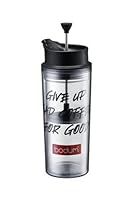
Bodum 16-Ounce Travel Coffee Press
There is no need to compromise on quality of coffee when you are out and about. With the Bodum Travel Press, you can take your coffeemaker with you. The travel press was designed so that you can brew your favorite coffee or tea and drink right out of the same tumbler. The double wall construction inusaltes your beverage and keeps it hotter longer while keeping your hands cool. The spill-resistant lid keeps the heat in when you are not enjoying your hot beverage. The Travel Press is simple to use. Simply add one or two scoops of your favorite coarse ground coffee or the appropriate amount of loose-leaf tea. Fill with hot water and screw the lid in place with the press in the up position. Allow the coffee to brew for 4-minutes (tea should brew 3-5 minutes or to your liking) and then press. Once you have pressed, open the lid and enjoy a balanced & flavorful cup of coffee or tea. To clean it up, just rinse out the grounds and handwash for best results. The travel press is a perfect brewing method if you just need coffee or tea for one, as well as while you are travelling, at work, camping or just out and about. Fits in most car cup holders. This version is decorated with the Bodum "Give Up Bad Coffee For Good" logo.Click here for more information or to order at a great discounted price.
The Mystery of Decaffeinated Coffee
The Mystery of Decaffeinated Coffee by Gary Gresham
Caffeine has become America's most popular drug by far. 90% of Americans consume caffeine in one form or another every single day. Most of it comes from drinking coffee.
But if you're a coffee lover who prefers to avoid caffeine, you can still enjoy a cup of coffee that delivers rich flavor with decaffeinated coffee. It's how the caffeine is extracted from coffee beans that is a mystery for most of us. These are some of the methods currently used for decaffeinating:
Direct Contact Method
In the direct contact method the beans come directly in contact with decaffeinating agents, such as methylene chloride, after being softened by water or steam. Caffeine is removed by directly soaking the materials in the methylene chloride.
Indirect Contact Method
With the indirect contact method a water and coffee solution is used to draw off the caffeine. The solution containing the caffeine is then treated with a decaffeinating agent, such as ethyl acetate, and mixed back into the beans for reabsorption of the flavorings.
Sometimes this method is referred to as naturally decaffeinated because ethyl acetate is a chemical found naturally in many fruits.
Water Processing
This process is similar to the indirect method, except no chemicals are used. The coffee beans are soaked in hot water then the solution is passed through a carbon filter to remove the caffeine.
Swiss Water Process
In the Swiss Water Process method, the caffeine is still extracted with carbon filters but the beans soak in hot water that is saturated with coffee flavor. The result is caffeine removal without removing the coffee flavors.
It's referred to as Swiss Water Process because a Swiss company originally developed and patented the procedure.
Carbon Dioxide Processing
With this method the beans are soaked with water-softened materials in highly compressed carbon dioxide. The small caffeine molecules are extracted from the beans allowing the larger flavor molecules to remain untouched. This method retains the best overall flavor of all of the methods used.
Not all of the caffeine is completely removed with any of these current methods. To qualify as decaffeinated coffee in the United States, coffee must have at least 97 percent of its caffeine removed.
Coffee beans are decaffeinated before they are roasted because that's when it has the least effect on the beans flavor. The reason decaffeinated coffee costs more is because of the additional labor, equipment and material needed to remove the caffeine.
So what do they do with all of that caffeine? The extracted caffeine is manufactured and used mostly in medicines and soft drinks. As an example, the caffeine content in soft drinks mainly comes from the caffeine extracted from these decaffeination processes. The kola nut accounts for less than 5 percent of the caffeine in cola drinks.
For the past 30 years scientists have done extensive research on coffee and the effects of caffeine. New research has even shown that caffeine has many positive effects. Some of these effects include more energy, the ability to concentrate better and has even been used as an appetite suppressant.
But not all scientists agree with these findings and coffee and the effects of caffeine will continue to be thoroughly researched.
There will always be a market for decaffeinated coffee because some people just love their coffee without the caffeine buzz. The rest of the 100 million regular coffee drinkers either love their coffee for the wonderful flavor or enjoy the effects of a caffeine boost. For most of us, I'm sure it's a little of both.
Caffeine has become America's most popular drug by far. 90% of Americans consume caffeine in one form or another every single day. Most of it comes from drinking coffee.
But if you're a coffee lover who prefers to avoid caffeine, you can still enjoy a cup of coffee that delivers rich flavor with decaffeinated coffee. It's how the caffeine is extracted from coffee beans that is a mystery for most of us. These are some of the methods currently used for decaffeinating:
Direct Contact Method
In the direct contact method the beans come directly in contact with decaffeinating agents, such as methylene chloride, after being softened by water or steam. Caffeine is removed by directly soaking the materials in the methylene chloride.
Indirect Contact Method
With the indirect contact method a water and coffee solution is used to draw off the caffeine. The solution containing the caffeine is then treated with a decaffeinating agent, such as ethyl acetate, and mixed back into the beans for reabsorption of the flavorings.
Sometimes this method is referred to as naturally decaffeinated because ethyl acetate is a chemical found naturally in many fruits.
Water Processing
This process is similar to the indirect method, except no chemicals are used. The coffee beans are soaked in hot water then the solution is passed through a carbon filter to remove the caffeine.
Swiss Water Process
In the Swiss Water Process method, the caffeine is still extracted with carbon filters but the beans soak in hot water that is saturated with coffee flavor. The result is caffeine removal without removing the coffee flavors.
It's referred to as Swiss Water Process because a Swiss company originally developed and patented the procedure.
Carbon Dioxide Processing
With this method the beans are soaked with water-softened materials in highly compressed carbon dioxide. The small caffeine molecules are extracted from the beans allowing the larger flavor molecules to remain untouched. This method retains the best overall flavor of all of the methods used.
Not all of the caffeine is completely removed with any of these current methods. To qualify as decaffeinated coffee in the United States, coffee must have at least 97 percent of its caffeine removed.
Coffee beans are decaffeinated before they are roasted because that's when it has the least effect on the beans flavor. The reason decaffeinated coffee costs more is because of the additional labor, equipment and material needed to remove the caffeine.
So what do they do with all of that caffeine? The extracted caffeine is manufactured and used mostly in medicines and soft drinks. As an example, the caffeine content in soft drinks mainly comes from the caffeine extracted from these decaffeination processes. The kola nut accounts for less than 5 percent of the caffeine in cola drinks.
For the past 30 years scientists have done extensive research on coffee and the effects of caffeine. New research has even shown that caffeine has many positive effects. Some of these effects include more energy, the ability to concentrate better and has even been used as an appetite suppressant.
But not all scientists agree with these findings and coffee and the effects of caffeine will continue to be thoroughly researched.
There will always be a market for decaffeinated coffee because some people just love their coffee without the caffeine buzz. The rest of the 100 million regular coffee drinkers either love their coffee for the wonderful flavor or enjoy the effects of a caffeine boost. For most of us, I'm sure it's a little of both.
Gary Gresham is the webmaster for perfectcoffees.com where you can purchase quality coffee, tea, cups & mugs, coffee gifts and delicious desserts online. He offers a free monthly coffee newsletter with articles like these at PerfectCoffees Newletter
Coffee, Espresso, & Cappuccino Maker
DeLonghi BCO70 Caffe Nabucco Coffee/Espresso/Cappuccino Maker
How to Create Velvety Cappuccinos
How to Create Velvety Cappuccinos, by Jason (The Snob)
Most places that serve cappuccinos in the United States have not trained their baristas in the art of properly frothing milk. The foam that they create is usually a dry, tasteless, large celled collection of bubbles that sit on top of the espresso like a meringue. With a little care, you can create steamed milk that is velvety smooth like the texture of wet shaving cream. The bubbles will be so small that you can barely see them! This is the way it’s supposed to be, because this way, it will blend with the espresso, creating a harmony of the flavors instead of a dry, tasteless cap floating on top. Let’s Begin.
First off, it’s important to start with cold milk that’s just out of the fridge. Pour the milk into the steaming pitcher until it is just about 1/3 of the way full. Milk will double to triple in volume after the frothing process. A stainless steel pitcher works best. It will dissipate some of the heat, allowing more time to infuse air into the milk before the milk gets too hot.
Also use a thermometer to get the milk to the correct temperature of 145 degrees. There are many thermometers made for this purpose that will clip onto the side of the pitcher for convenience.
The Technique:
Purge the steam wand onto a damp towel by releasing the valve for a few seconds. Be very careful not to burn yourself, the steam will be extremely hot. This purging will get all of the water out so you don’t get it in your milk.
Next, submerge the wand into the milk and quickly turn the steam on full power. Avoid letting the tip of the wand come out of the milk. This will cause splattering and create large, tasteless bubbles.
Adjust the wand so that it is pointing off center in order to get the milk to flowing in a rapid, circular motion. Maintaining this fast, circulating vortex is vital.
Then, slowly lower the pitcher until the tip of the wand is just below the surface of the milk (keeping the circulation going). When you can hear a hissing noise, similar to bacon frying, you have reached the perfect position for the wand to inject air into the milk.
Try to maintain this hissing noise while keeping the milk rotating. You will have to slowly lower the pitcher as the milk volume rises in order to keep the wand tip just under the surface.
By keeping the milk flowing in a rapid circle, any large bubbles that are accidentally created will be rolled into the milk and eliminated. Continue steaming until the milk reaches 145 degrees. Be careful not to get the milk too hot, it will scald giving it a bad taste.
That’s pretty much it! If you have a few large bubbles, you can try to get rid of them by tapping the bottom of the pitcher lightly on the counter. Serve immediately and enjoy some of the silkiest frothed milk you have ever tasted!
One more thing, now that you know how to properly steam the milk, notice how few coffee houses have baristas that take care in this process. Very few use thermometers and end up scalding the milk, or leaving it too cold.
Most will just leave the pitcher sitting there while the wand blows into the milk. Some will use an up and down motion, but this does absolutely nothing for creating tiny, velvety bubbles. It’s the rolling action of the milk that’s needed.
If you find a barista that shows this skill of frothing milk, then stay with him! He’s been trained and probably takes pride in what he does.
About the Author:
Author of the 2BASNOB.com website about the enjoyment of coffee, tea, wine, and beer.
Most places that serve cappuccinos in the United States have not trained their baristas in the art of properly frothing milk. The foam that they create is usually a dry, tasteless, large celled collection of bubbles that sit on top of the espresso like a meringue. With a little care, you can create steamed milk that is velvety smooth like the texture of wet shaving cream. The bubbles will be so small that you can barely see them! This is the way it’s supposed to be, because this way, it will blend with the espresso, creating a harmony of the flavors instead of a dry, tasteless cap floating on top. Let’s Begin.
First off, it’s important to start with cold milk that’s just out of the fridge. Pour the milk into the steaming pitcher until it is just about 1/3 of the way full. Milk will double to triple in volume after the frothing process. A stainless steel pitcher works best. It will dissipate some of the heat, allowing more time to infuse air into the milk before the milk gets too hot.
Also use a thermometer to get the milk to the correct temperature of 145 degrees. There are many thermometers made for this purpose that will clip onto the side of the pitcher for convenience.
The Technique:
Purge the steam wand onto a damp towel by releasing the valve for a few seconds. Be very careful not to burn yourself, the steam will be extremely hot. This purging will get all of the water out so you don’t get it in your milk.
Next, submerge the wand into the milk and quickly turn the steam on full power. Avoid letting the tip of the wand come out of the milk. This will cause splattering and create large, tasteless bubbles.
Adjust the wand so that it is pointing off center in order to get the milk to flowing in a rapid, circular motion. Maintaining this fast, circulating vortex is vital.
Then, slowly lower the pitcher until the tip of the wand is just below the surface of the milk (keeping the circulation going). When you can hear a hissing noise, similar to bacon frying, you have reached the perfect position for the wand to inject air into the milk.
Try to maintain this hissing noise while keeping the milk rotating. You will have to slowly lower the pitcher as the milk volume rises in order to keep the wand tip just under the surface.
By keeping the milk flowing in a rapid circle, any large bubbles that are accidentally created will be rolled into the milk and eliminated. Continue steaming until the milk reaches 145 degrees. Be careful not to get the milk too hot, it will scald giving it a bad taste.
That’s pretty much it! If you have a few large bubbles, you can try to get rid of them by tapping the bottom of the pitcher lightly on the counter. Serve immediately and enjoy some of the silkiest frothed milk you have ever tasted!
One more thing, now that you know how to properly steam the milk, notice how few coffee houses have baristas that take care in this process. Very few use thermometers and end up scalding the milk, or leaving it too cold.
Most will just leave the pitcher sitting there while the wand blows into the milk. Some will use an up and down motion, but this does absolutely nothing for creating tiny, velvety bubbles. It’s the rolling action of the milk that’s needed.
If you find a barista that shows this skill of frothing milk, then stay with him! He’s been trained and probably takes pride in what he does.
About the Author:
Author of the 2BASNOB.com website about the enjoyment of coffee, tea, wine, and beer.
Who, When, and Where in the History of Coffee
Who, When, and Where in the History of Coffee, by Randy Wilson
Coffee has been a part of culture for over one thousand years. The history of coffee varies widely depending on which sources you use. This is especially true when something as powerful as coffee is involved, as coffee has brought much wealth and prosperity to individuals throughout the history of coffee.
Coffee was discovered around 850 A.D. in the part of Africa now known as Ethiopia. According to one story that has been passed down through the generations, a sheep herder named Kaldi discovered coffee as he tended his sheep. He noted that his sheep became extremely active after eating the red cherries from a plant as they went from one pasture to another.
He ate a few of the cherries himself, and was soon as overactive as his herd. The story goes on to say that a monk passed by and scolded him for "partaking of the devil's fruit." However, the monks soon found themselves eating the same fruit to help them stay awake for their prayers.
Originally, the coffee plant grew naturally in Ethiopia. But once the people of Arabia became enthralled with coffee and transplanted plants to Arabia, coffee was monopolized by them. Later, countries beyond Arabia whose inhabitants believed coffee to be a delicacy guarded its secret and with caution began to siphon off coffee plants from Arabia.
The Arabian government prohibited the transportation of the plant out of the Moslem nations, so the actual spread of coffee was started illegally.
In the 17th century, Italian traders introduced coffee to the West and changed the history of coffee forever. Many Christians believed that coffee was the drink of the devil.
But in Italy, Pope Clement VIII drank and endorsed coffee against the advice of his advisors who wanted it to be considered part of the infidel threat. Because of his endorsement of coffee, it became acceptable as a Christian beverage and spread throughout the West.
Coffee Houses began opening in the mid-17th century in the Western world. The first coffee house opened in Italy in 1645, in England in 1652, in Paris in 1672 and in Berlin in 1721.
In 1668, Edward Lloyd's coffee house opened in England and eventually became Lloyd's of London, the best-known insurance company in the world. By this time, coffee had replaced beer as New York's City's favorite breakfast beverage.
In the late 17th and early 18th centuries, the Dutch became a prominent force in the coffee industry with a coffee plant smuggled out of the Arab port of Mocha. The Dutch cultivated coffee commercially in Ceylon and in their East Indian colony of Java, which came to be the source of coffees' nickname.
However, the French stole a seedling and transported it to Martinique. Fifty years later, an official survey found 19 million coffee trees on Martinique, and eventually it’s estimated that ninety percent of the world's coffee spread from this one seedling.
The Dutch and French monopoly was broken up in 1727 when Brazil entered the fray. Lieutenant colonel Francisco de Melo Palheta was sent by the Brazilian government to arbitrate a border dispute between the French and Dutch colonies in Guiana. Not only did he settle the disagreement, but he also began an affair with the wife of the governor of French Guiana.
The dear lady bid the lieutenant colonel adieu with a bouquet in which she hid cuttings and fertile seeds of coffee that began the Brazilian portion of the history of coffee. By 1907, Brazil accounted for 97% of the world’s coffee production.
As the Industrial Revolution swept through Europe and the United States, coffee was changed forever. Hills Bros. became the first company to vacuum pack coffee, changing the coffee industry from a local one to a regional and even national one. Sanka was introduced to the United States as the first decaffeinated coffee. And Nestle learned how to freeze dry coffee and keep it fresher longer.
The most recent changes in the history of coffee come over the last sixty years. In 1946, the espresso machine was invented in Italy, giving rise to the Cappuccino.
And in 1971, Starbucks opened its first store in Seattle’s Pike Place public market. And that ladies and gentlemen is a small and brief history of coffee, which I hope you enjoyed.
Coffee has been a part of culture for over one thousand years. The history of coffee varies widely depending on which sources you use. This is especially true when something as powerful as coffee is involved, as coffee has brought much wealth and prosperity to individuals throughout the history of coffee.
Coffee was discovered around 850 A.D. in the part of Africa now known as Ethiopia. According to one story that has been passed down through the generations, a sheep herder named Kaldi discovered coffee as he tended his sheep. He noted that his sheep became extremely active after eating the red cherries from a plant as they went from one pasture to another.
He ate a few of the cherries himself, and was soon as overactive as his herd. The story goes on to say that a monk passed by and scolded him for "partaking of the devil's fruit." However, the monks soon found themselves eating the same fruit to help them stay awake for their prayers.
Originally, the coffee plant grew naturally in Ethiopia. But once the people of Arabia became enthralled with coffee and transplanted plants to Arabia, coffee was monopolized by them. Later, countries beyond Arabia whose inhabitants believed coffee to be a delicacy guarded its secret and with caution began to siphon off coffee plants from Arabia.
The Arabian government prohibited the transportation of the plant out of the Moslem nations, so the actual spread of coffee was started illegally.
In the 17th century, Italian traders introduced coffee to the West and changed the history of coffee forever. Many Christians believed that coffee was the drink of the devil.
But in Italy, Pope Clement VIII drank and endorsed coffee against the advice of his advisors who wanted it to be considered part of the infidel threat. Because of his endorsement of coffee, it became acceptable as a Christian beverage and spread throughout the West.
Coffee Houses began opening in the mid-17th century in the Western world. The first coffee house opened in Italy in 1645, in England in 1652, in Paris in 1672 and in Berlin in 1721.
In 1668, Edward Lloyd's coffee house opened in England and eventually became Lloyd's of London, the best-known insurance company in the world. By this time, coffee had replaced beer as New York's City's favorite breakfast beverage.
In the late 17th and early 18th centuries, the Dutch became a prominent force in the coffee industry with a coffee plant smuggled out of the Arab port of Mocha. The Dutch cultivated coffee commercially in Ceylon and in their East Indian colony of Java, which came to be the source of coffees' nickname.
However, the French stole a seedling and transported it to Martinique. Fifty years later, an official survey found 19 million coffee trees on Martinique, and eventually it’s estimated that ninety percent of the world's coffee spread from this one seedling.
The Dutch and French monopoly was broken up in 1727 when Brazil entered the fray. Lieutenant colonel Francisco de Melo Palheta was sent by the Brazilian government to arbitrate a border dispute between the French and Dutch colonies in Guiana. Not only did he settle the disagreement, but he also began an affair with the wife of the governor of French Guiana.
The dear lady bid the lieutenant colonel adieu with a bouquet in which she hid cuttings and fertile seeds of coffee that began the Brazilian portion of the history of coffee. By 1907, Brazil accounted for 97% of the world’s coffee production.
As the Industrial Revolution swept through Europe and the United States, coffee was changed forever. Hills Bros. became the first company to vacuum pack coffee, changing the coffee industry from a local one to a regional and even national one. Sanka was introduced to the United States as the first decaffeinated coffee. And Nestle learned how to freeze dry coffee and keep it fresher longer.
The most recent changes in the history of coffee come over the last sixty years. In 1946, the espresso machine was invented in Italy, giving rise to the Cappuccino.
And in 1971, Starbucks opened its first store in Seattle’s Pike Place public market. And that ladies and gentlemen is a small and brief history of coffee, which I hope you enjoyed.
© Copyright Randy Wilson, All Rights Reserved. Article written by Randy Wilson and brought to you by ultimate-coffees-info.com
Campfire Coffee Recipes
Campfire Coffee Recipes, by Gary Gresham
Want to know a few secrets to making a good cup of campfire coffee? There are lots of recipes for making coffee in a plain pot over a campfire or for your camping coffee pot. Try a few varieties to see what suits your taste the best. Here are a few good recipes to get you started so your morning or evening brew tastes good every time.
Traditional Campfire Coffee Recipes
Recipe 1. Bring two quarts of water to a good, rolling boil in a camping coffee pot. Take it from the fire and add 2 handfuls of fine ground coffee. Keep in mind that whoever makes the coffee will change the results of this traditional recipe. Steep for 4 minutes. The secret to good campfire coffee is adding a few tablespoons of cold water to the mixture after steeping. This settles the grounds to the bottom. Then pour slowly to keep as many grounds out of your cup as possible.
Recipe 2. Add 6 teaspoons of ground coffee into a camping coffee pot, and pour 3 pints of cold water over the grounds. Put the pot on the fire and bring it to a boil. Take it off the heat and let steep for 3 minutes. Don't forget the secret. Add those few tablespoons of cold water to the mixture after steeping to settle the grounds. This makes about 6 cups of good campfire coffee.
Campfire Perculator Coffee Pot
Recipe 3. This is the most common method of making campfire coffee. Start with 1½ tablespoons of coarsely ground coffee for each 6 oz of water when using a perculator coffee pot. Here is a trick if you end up with grounds in your coffee. Poke a hole in a regular coffee filter and put it in the perk basket. Watch the percolator for the coffee color. The longer it perks the stronger your coffee will be. A perculator coffee pot takes practice but they make great campfire coffee.
Good Tip
If you use unpleasant lake, well or tap water your coffee will never taste very good. Coffee is 98% water so using good water will make all of difference in good or bad coffee. Bring good water with you and you will enjoy your campfire coffee a lot more.
Want to know a few secrets to making a good cup of campfire coffee? There are lots of recipes for making coffee in a plain pot over a campfire or for your camping coffee pot. Try a few varieties to see what suits your taste the best. Here are a few good recipes to get you started so your morning or evening brew tastes good every time.
Traditional Campfire Coffee Recipes
Recipe 1. Bring two quarts of water to a good, rolling boil in a camping coffee pot. Take it from the fire and add 2 handfuls of fine ground coffee. Keep in mind that whoever makes the coffee will change the results of this traditional recipe. Steep for 4 minutes. The secret to good campfire coffee is adding a few tablespoons of cold water to the mixture after steeping. This settles the grounds to the bottom. Then pour slowly to keep as many grounds out of your cup as possible.
Recipe 2. Add 6 teaspoons of ground coffee into a camping coffee pot, and pour 3 pints of cold water over the grounds. Put the pot on the fire and bring it to a boil. Take it off the heat and let steep for 3 minutes. Don't forget the secret. Add those few tablespoons of cold water to the mixture after steeping to settle the grounds. This makes about 6 cups of good campfire coffee.
Campfire Perculator Coffee Pot
Recipe 3. This is the most common method of making campfire coffee. Start with 1½ tablespoons of coarsely ground coffee for each 6 oz of water when using a perculator coffee pot. Here is a trick if you end up with grounds in your coffee. Poke a hole in a regular coffee filter and put it in the perk basket. Watch the percolator for the coffee color. The longer it perks the stronger your coffee will be. A perculator coffee pot takes practice but they make great campfire coffee.
Good Tip
If you use unpleasant lake, well or tap water your coffee will never taste very good. Coffee is 98% water so using good water will make all of difference in good or bad coffee. Bring good water with you and you will enjoy your campfire coffee a lot more.
Copyright © 2005 Perfect Coffees.com. All Rights Reserved. This article is supplied by PerfectCoffees.com where you can purchase quality coffee online, tea, cups, mugs, coffee makers, delicious desserts and sugar free desserts online. For a free monthly coffee newsletter with articles like these go to: PerfectCoffeesNewsletter
Subscribe to:
Posts (Atom)